When an Ideal boiler's heating works but hot water is absent or lukewarm, the diverter valve is the most common culprit. An engineer will also check the plate heat exchanger, pump, and boiler controls to pinpoint the exact fault.
The Core Problem: Your Boiler Isn't Switching Modes
When your Ideal boiler heats radiators but fails to deliver hot water to your taps, the core issue is usually a failure to switch from central heating mode to domestic hot water (DHW) mode. This is a common symptom in combi boilers, which are designed to prioritise hot water on demand. The system that manages this switch is the primary target for diagnosis.
Most Likely Cause: A Faulty Diverter Valve
The diverter valve is a motorised component inside your boiler that acts like a traffic director for hot water. In heating mode, it directs heated water to your radiators. When you turn on a hot tap, a sensor detects the flow and signals the valve to shift, diverting water through a separate path to the plate heat exchanger to warm your tap water. If this valve gets stuck, fails to move fully, or has a worn internal diaphragm, hot water continues to flow to the radiators (or gets blocked entirely) instead of being redirected to your taps. An engineer will check for smooth movement, test the motor, and inspect the diaphragm for splits or hardening.
Other Common Faults an Engineer Will Check
If the diverter valve operates correctly, the next step is to examine components in the hot water circuit. The plate heat exchanger, where mains cold water is instantly heated, can become clogged with limescale or system sludge, drastically reducing efficiency and leading to lukewarm water. The boiler's pump, while often implicated in heating failures, can sometimes run at reduced speed, failing to provide adequate flow for hot water production. Finally, the boiler's printed circuit board (PCB) or the hot water flow sensor (a small paddle or turbine) can malfunction, failing to send the correct signal to initiate the hot water cycle.
The Diagnostic Process: What an Engineer Actually Does
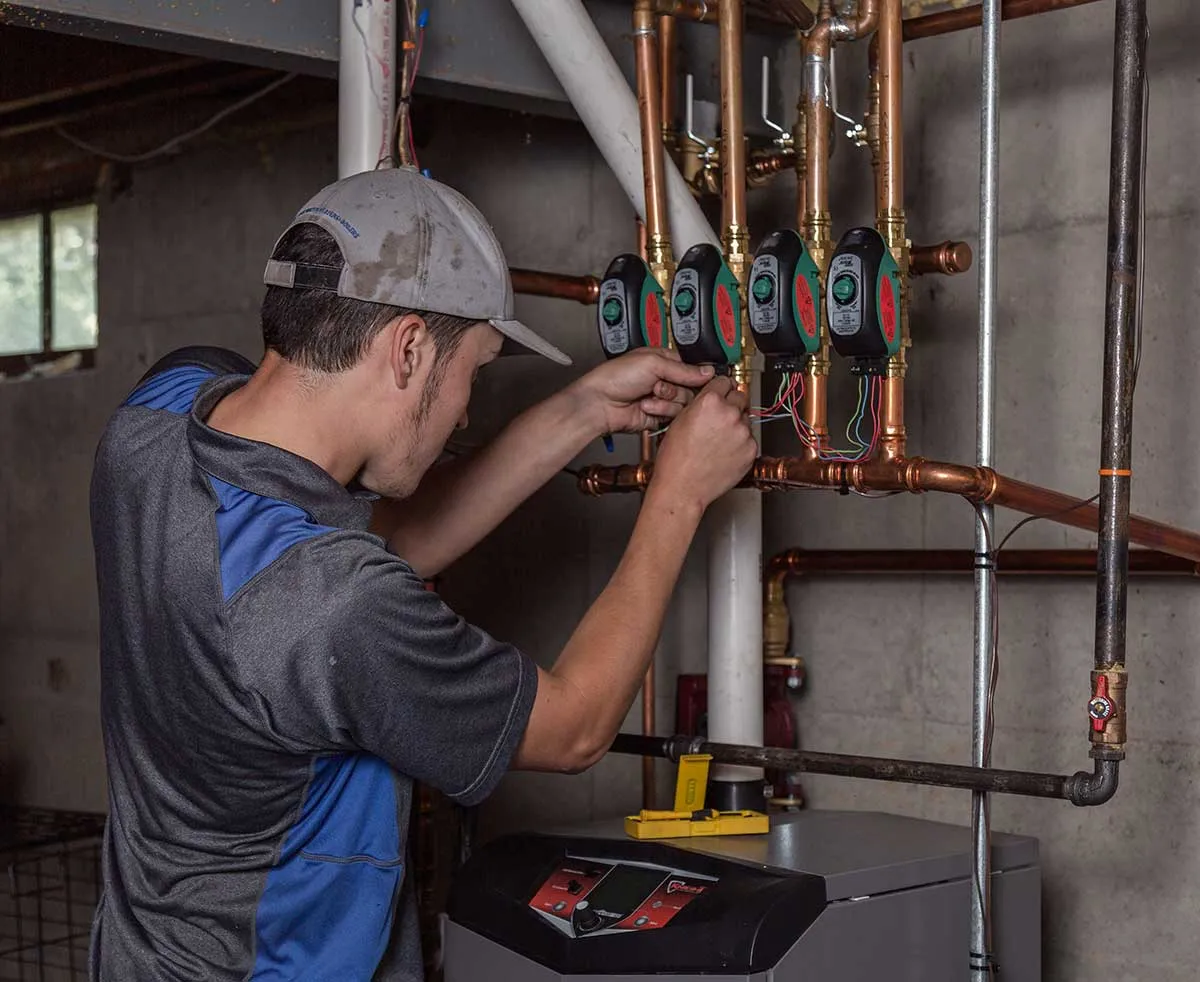
A Gas Safe registered engineer follows a logical process to isolate the fault. They will first confirm the boiler pressure and general operation. Then, with the heating off, they will run a hot tap and listen/feel for the diverter valve motor activating and the valve physically shifting. They may test the temperature of pipework to see if heat is reaching the plate heat exchanger. Checking for flow and temperature differences across key components helps identify a blockage. Electrical tests with a multimeter on the flow sensor, valve motor, and relevant PCB terminals will rule out control faults. This systematic approach identifies the specific failed part.
What You Should Do Next
Do not attempt to open the boiler casing or interfere with internal components – this is illegal and dangerous for anyone who is not Gas Safe registered. If you smell gas or suspect carbon monoxide, turn off the gas supply, ventilate the area, and call the gas emergency line immediately. For a hot water fault without gas-safety concerns, your next step is to contact a qualified heating engineer. They have the tools, knowledge, and legal authority to safely diagnose and repair the fault, whether it requires replacing the diverter valve, descaling the heat exchanger, or fitting a new component.
Frequently asked questions
Can I fix a diverter valve myself?
No. Accessing the diverter valve or any internal boiler component requires removing the sealed casing, which is illegal for anyone who is not Gas Safe registered. Incorrect handling can cause gas leaks, carbon monoxide risks, or damage to the boiler.
Why is my hot water only lukewarm but my heating is fine?
This often points to a partially failed diverter valve not moving to its full hot water position, or a scaled-up plate heat exchanger. Limescale build-up inside the heat exchanger acts as an insulator, preventing the cold mains water from getting properly hot.
Is it expensive to repair?
Repair costs depend entirely on which component has failed and the labour involved. A straightforward diverter valve repair is typically a common, mid-range job, while a PCB replacement or a power flush to clean a severely sludged system would be more involved. A qualified engineer will provide a quote after diagnosis.