No Heating and No Hot Water? What It Means When Both Stop
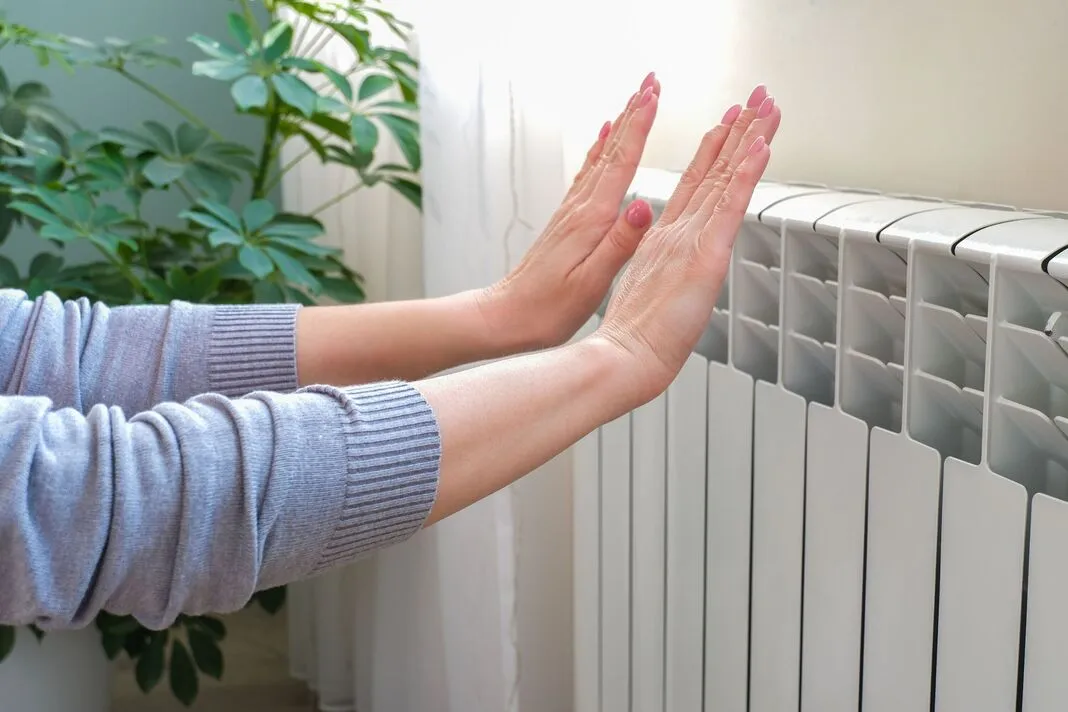
When the heating and the hot water stop together, the cause is almost always something both depend on: power, gas, pressure, the condensate pipe or the boiler itself. A few safe checks rule out the simple causes before you call an engineer.
If you have no heating and no hot water at the same time, the problem is almost always with something both of them depend on: the power to the boiler, the gas supply, the system pressure, the condensate pipe or a fault inside the boiler itself. That is different from losing only one of the two, which usually points to a single valve or control. Start with the display, the pressure gauge and whether the hob lights. Those three checks take a few minutes and tell you whether this is a quick fix or a repair.
Why Losing Both at Once Points at the Boiler
Heating and hot water share the same boiler, burner, pump and controls, so when both stop together the fault is usually in one of those shared parts. When only one stops, the cause is usually a part that serves just that side.
On a combi, a diverter valve sends hot water either to the radiators or to the taps. If it sticks, you lose one and keep the other. On a system with a hot water cylinder, separate zone valves and a cylinder thermostat do the same job. So if you still have hot water but cold radiators, or warm radiators but cold taps, you are looking at a different fault from this one. For a general checklist that covers losing either one, see our no heating or hot water diagnostic checklist. If both have gone, work through the checks below in order.
Check 1: Does the Boiler Have Power?
Look at the boiler first. A blank display and no lights mean the boiler has no power, and a fault code or flashing light means it has power but has shut itself down.
If the display is blank, check the fused spur switch next to the boiler, the consumer unit for a tripped circuit, and whether anything else in the house has lost power. A boiler that has no power after a storm or power cut often comes back once the supply returns, although some need a reset. Our guide to a boiler with no power or a blank display goes through the electrical side in more detail. Do not open the boiler casing or replace its internal fuse yourself; that is engineer work.
Check 2: Is Gas Reaching the Boiler?
Try the gas hob. If the hob will not light either, the problem is the gas supply to the property, not the boiler.
On a prepayment meter, check there is credit and that the meter has not shut off. Check the lever on the emergency control valve at the meter is in line with the pipe, which means open. If gas is off to the whole street, your gas network will usually know about it. If you smell gas at any point, do not turn anything on or off, open the windows, leave the property and call the National Gas Emergency Service on 0800 111 999.
Check 3: Pressure and Fault Codes
Low pressure is one of the most common reasons a combi or system boiler stops giving both heating and hot water. Most need around 1 to 1.5 bar on the gauge with the system cold, and many shut down with a fault code if it drops below about 1 bar.
If the gauge is low, topping up through the filling loop is a job manufacturers document for homeowners, and our guide to repressurising a boiler safely explains how. Write down any code on the display along with the boiler make. A code tells you, and an engineer, far more than a description of the symptoms. Low pressure that keeps coming back after you top up means water is escaping somewhere and needs finding.
Check 4: The Condensate Pipe and the Controls
In freezing weather, a frozen condensate pipe is one of the most common reasons a condensing boiler stops completely. On systems with a separate programmer, controls switched off after a power cut can look like a boiler fault.
- Condensate pipe: the plastic pipe that runs from the boiler to a drain outside can freeze in cold snaps. The boiler then locks out, often with a gurgling noise first. Thawing it with warm, not boiling, water is safe, and our frozen condensate pipe guide shows how.
- Programmer or timer: after a power cut, the clock may be wrong or both channels may be off. Set heating and hot water to on or constant to test.
- Room thermostat: if it runs on batteries, flat batteries can stop it calling for heat. Turn it up a few degrees above the room temperature.
- Reset: if the boiler shows a lockout code and you have ruled out the causes above, one reset following the manual is reasonable.
When It Is a Repair, Not a Setting
If the boiler has power, gas and pressure, the condensate pipe is clear and it still will not run, the fault is inside the boiler. The usual suspects when both services stop are the pump, the fan, the ignition or flame sensing parts, the gas valve and the main circuit board.
Each of those sits behind the casing next to gas and electrical components, which is why testing and replacing them is legally work for a Gas Safe registered engineer and not something to attempt yourself. The signs of what has failed are still useful, so note them: a boiler that tries to light and gives up points toward ignition, a hum with no heat points toward the pump, and an overheat code points toward circulation. For households with young children, elderly or unwell people, a total loss of heating in cold weather is worth treating as urgent. Our no heating and no hot water repair service covers London, and when you contact us the code, the boiler make and the checks you have already done save time on the visit.
Frequently asked questions
Is no heating and no hot water an emergency?
It depends on who is in the house and the weather. For young children, elderly or unwell people in cold weather, treat it as urgent. If you smell gas, it is always an emergency: leave the property and call 0800 111 999. Otherwise, work through the power, gas, pressure and condensate checks first, because one of them often explains it.
Why do I have no heating or hot water after a power cut?
Many boilers go into lockout when the power drops and need a manual reset once it returns. The programmer clock may also have reset, leaving both channels off. Check the display for a code, reset once if the manual allows, and set the programmer back to your usual times.
The boiler has power and no fault code but nothing works. What next?
Check that the programmer and room thermostat are actually calling for heat, and run a hot tap if you have a combi. If the boiler still does not try to fire, the fault is likely in the controls wiring or inside the boiler, such as the pump, fan or circuit board, and needs a Gas Safe registered engineer to test.