What Is an Expansion Vessel, and How Do You Know It's Failed?
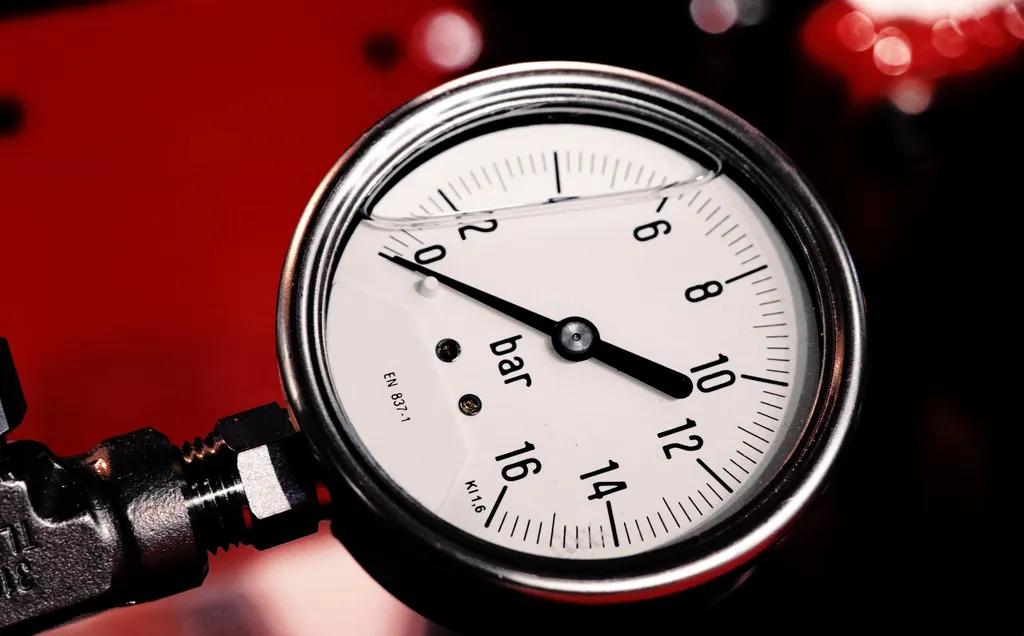
A boiler's expansion vessel is a small tank with an air-filled diaphragm that absorbs water as it heats up, preventing dangerous pressure spikes. You know it's failed if your boiler pressure is erratic, you're frequently topping up, or the pressure relief valve is dripping.
The Boiler's Pressure Shock Absorber
Inside your sealed central heating system, water expands as it heats. Without a way to manage this expansion, the pressure would rise uncontrollably, triggering safety valves or causing damage. The expansion vessel is the component that prevents this. It's a small metal tank, usually red or white, connected to your boiler or heating pipework. Inside, a rubber diaphragm or bladder separates two chambers: one side is pre-charged with air (or nitrogen), and the other connects to the system water. As the water heats and expands, it pushes into the vessel, compressing the air cushion. This simple action absorbs the extra volume, keeping your system pressure stable and safe.
How an Expansion Vessel Fails
Expansion vessels fail in two main ways. The most common is loss of the pre-charge. Over years, the air can slowly seep through the diaphragm or valve, or the diaphragm itself can become perforated. When this happens, the air cushion disappears, and the vessel fills entirely with water. It can no longer absorb expansion. The second type of failure is a ruptured or split diaphragm, which allows water and air to mix, achieving the same result: a waterlogged vessel. In both cases, the component is no longer functional.
Clear Signs Your Expansion Vessel Has Failed
You don't need to look inside the vessel to suspect a problem. The symptoms are clear in your boiler's behaviour and pressure gauge.
- Erratic Pressure Gauge: Watch the pressure indicator on your boiler's front panel. When the heating fires up, a healthy system will see a modest pressure rise (e.g., from 1 to 2 bar). A failed vessel causes a much sharper, more dramatic spike, sometimes climbing into the red danger zone (3 bar or more). When the system cools, the pressure may then drop very low.
- Constant Need to Top Up: Because the pressure swings so wildly from high to low, you may find yourself frequently repressurising the system via the filling loop to bring it back into the green zone.
- Pressure Relief Valve (PRV) Dripping: This is a critical knock-on effect. When the expanding water has nowhere to go, system pressure can exceed the PRV's setting (typically 3 bar). The valve opens to discharge water outside, often via a small copper pipe (the 'tundish'). If you see water dripping from this pipe, it's a serious sign of over-pressure, often caused by a failed expansion vessel.
If you smell gas or suspect a carbon monoxide leak, turn off the boiler, ventilate the area, and call the gas emergency line immediately. A dripping PRV also requires urgent attention from a Gas Safe engineer.
How a Heating Engineer Diagnoses and Fixes It
A Gas Safe registered engineer will first check the system pressure behaviour. The definitive test involves isolating the vessel from the system, draining the water side, and using a tyre pressure gauge on the vessel's Schrader valve (like a car tyre valve) to check the air pre-charge pressure. If there's no pressure reading, or if water comes out of the valve, the vessel is waterlogged and failed.
If the diaphragm is intact, the engineer can often re-pressurise the vessel to its correct specification (usually around 1 bar for most systems). However, if the diaphragm is split, the vessel must be replaced. This is a standard, well-understood repair. The engineer will drain the relevant part of the system, swap the old vessel for a new one of the correct size, recharge it, and refill and test the system. They will also investigate why the PRV opened and replace it if it did not reseat properly. While not a DIY job due to the need for system draining and pressurisation, it is a common and straightforward fix for a professional.
Why It's a Common, Not Catastrophic, Fault
Expansion vessel failure is one of the most frequent boiler faults we see. The rubber diaphragm is a wear-and-tear item that naturally degrades over 5-10 years. The symptoms—while alarming—point directly to the problem, making diagnosis relatively quick. Addressing it promptly prevents unnecessary strain on other components like the pump, seals, and the pressure relief valve itself. Recognising the signs means you can call a qualified engineer for a diagnosis before the issue leads to more extensive water damage or system shutdown.
Frequently asked questions
Can I fix a failed expansion vessel myself?
No. Diagnosing and repairing an expansion vessel requires isolating and draining part of the sealed heating system, testing gas pressures, and safely repressurising the system. This must be done by a Gas Safe registered engineer to ensure safety and correct function.
How much does it cost to replace an expansion vessel?
We do not quote specific prices as the cost depends on your boiler model, the vessel's location, and the time required for the repair. It is a standard job for a heating engineer. You can get a tailored quote from a qualified engineer after a diagnosis.
My pressure relief valve is dripping. Is it definitely the expansion vessel?
While a failed expansion vessel is the most common cause of a dripping PRV, it could also be caused by an over-pressurised system from a faulty filling loop left open, or a defective PRV itself. A Gas Safe engineer will test the expansion vessel first to confirm the root cause.
How often should the expansion vessel be checked?
It's not a routine homeowner check. The vessel's air pre-charge should be checked as part of an annual boiler service by a Gas Safe engineer. They can spot a weakening charge and top it up before it leads to a full failure and system problems.