What Is a Pressure Relief Valve, and Why Does It Drip?
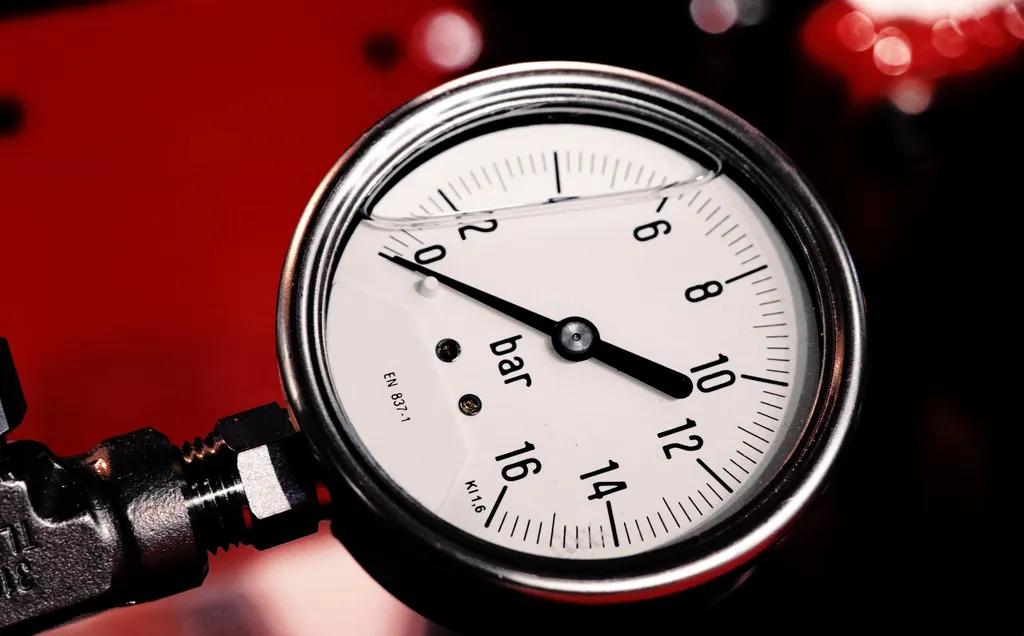
A pressure relief valve (PRV) is a boiler safety device that releases water if pressure gets too high. A persistent drip often means the valve is worn or fouled and needs replacing by a Gas Safe engineer.
The Boiler's Essential Safety Guard
A pressure relief valve (PRV), sometimes called a pressure safety valve, is a critical safety component in your central heating system. Its sole purpose is to protect your boiler and pipework from the dangers of excessive pressure. Inside your sealed system, water expands as it heats. While the expansion vessel normally absorbs this extra volume, if that fails or pressure spikes for another reason, the PRV acts as the final safety release. It opens automatically to discharge hot water, safely reducing the pressure before it can cause damage or become a hazard.
Why a Faulty Valve Drips at Normal Pressure
You might notice a slow drip or trickle of water from a small copper pipe outside your wall (the external discharge pipe). This is a tell-tale sign of a PRV issue, but it's often not due to a genuine over-pressure event. There are two main reasons a PRV drips when your boiler's pressure gauge reads normal:
- Wear and Tear: The valve seal is a rubber or plastic diaphragm. Over years of heating cycles, this seal can harden, crack, or lose its shape. When it no longer sits perfectly, it allows water to seep past even at standard pressure (typically 1-1.5 bar).
- Debris Fouling: Tiny particles of sludge or magnetite (black iron oxide) from inside your system can settle on the valve seat. This debris prevents the seal from closing fully, creating a path for a constant, slow leak.
This is different from the valve operating correctly during a fault. A proper over-pressure discharge is usually a significant, brief gush of water, not a persistent drip.
Don't Ignore It or Just Wipe It Away
A dripping PRV is a symptom that should not be ignored. Continuously mopping up the water or redirect the drip does not solve the underlying problem. A leaking valve means the seal is compromised. If a genuine over-pressure situation occurs, a worn valve might not open correctly or might not reseal afterwards, leaving your system unprotected. Furthermore, the constant water loss will cause your boiler pressure to slowly drop, potentially leading to a loss of heating or hot water and putting extra strain on the filling loop and other components.
Diagnosis and Repair: A Job for a Gas Safe Engineer
Diagnosing and replacing a pressure relief valve is not a DIY task. While the valve itself is often accessible, the work involves draining part of the heating system, safely removing the old valve, and fitting a new one to exact standards. Crucially, the engineer must also diagnose why the valve failed. Was it simple age, or is there an underlying issue like a failed expansion vessel or a problem with the filling loop that caused over-pressurisation in the first place? Only a qualified professional can safely conduct this investigation and repair.
If you smell gas or suspect any other immediate gas safety hazard, you must contact the gas emergency line immediately. For a dripping PRV, you should schedule a visit from a fully Gas Safe registered engineer. They will test the system pressure, check the expansion vessel, and replace the faulty valve, ensuring your boiler's vital safety mechanism is restored.
Related Issues to Rule Out
Sometimes, water from the external pipe can be confused with other issues. A common one is a blocked or frozen condensate pipe from a condensing boiler, which might discharge acidic condensate from a different outlet. Your engineer will identify the source. The key indicator for a PRV drip is its connection to system pressure – if you top up the pressure and the drip starts or worsens soon after, it strongly points to the relief valve. Always let your engineer know about any pressure fluctuations you've observed, as this helps pinpoint the root cause.
Frequently asked questions
Is a dripping pressure relief valve dangerous?
The drip itself is not typically an immediate danger like a gas leak, but it indicates a failed safety device. A faulty PRV may not operate correctly in a genuine over-pressure emergency, which could be hazardous. It should be repaired promptly.
Can I temporarily stop the drip from my pressure relief valve?
No. You should not attempt to block or tamper with the valve or the discharge pipe. This disables a critical safety feature. The correct action is to contact a Gas Safe engineer to diagnose and replace the faulty component.
My boiler pressure is normal, so why is it dripping?
This is the most common scenario. The valve's internal seal has worn out or is fouled by debris, allowing water to seep past even at standard operating pressure. The valve needs replacing to seal properly again.