Why Won't My Radiators Heat Up Evenly? Top Cold, Bottom Cold, One Cold Explained
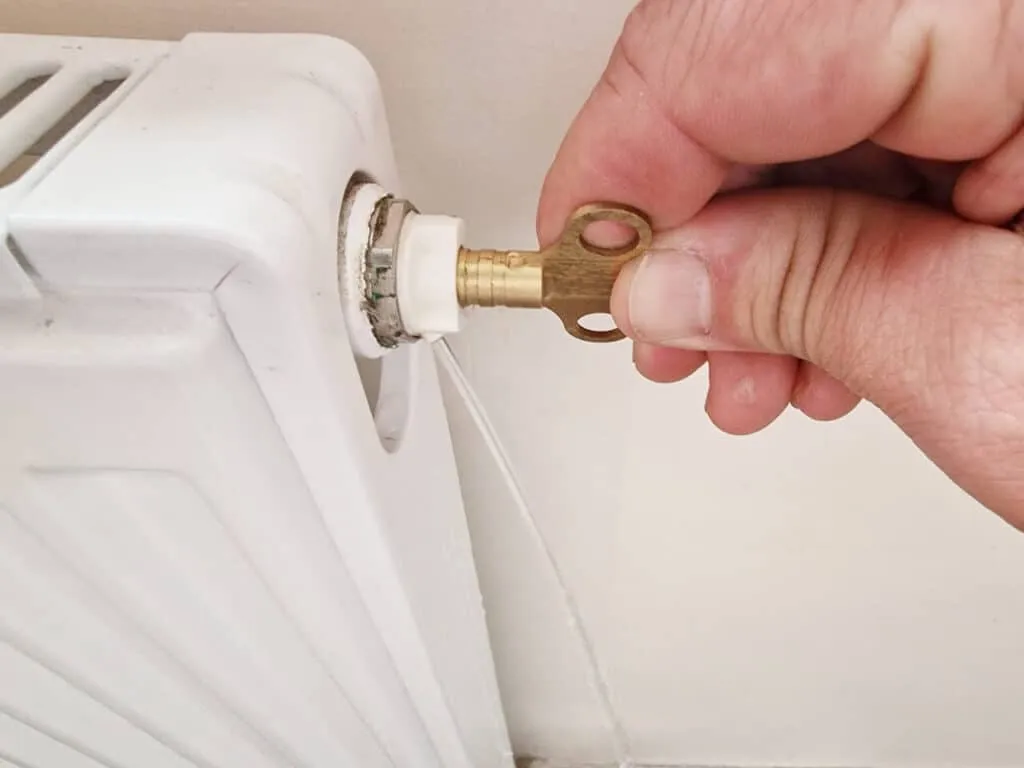
Uneven heating in radiators is usually due to trapped air, internal sludge, stuck valves, or a system-wide issue like low pressure. Identifying the specific pattern of cold spots points to the underlying cause.
When your radiators don't heat up properly, it's rarely a random fault. The specific pattern—whether a radiator is cold at the top, cold at the bottom, or one is cold while others are fine—tells you exactly what's wrong inside your central heating system. This guide explains the common causes behind each symptom, what it means for your boiler, and what a heating engineer will do to diagnose and fix it.
Cold at the Top of the Radiator Only
If the top section of a radiator feels significantly cooler than the bottom, you almost certainly have trapped air inside it. Air naturally rises to the highest point in the system, which is the top of each radiator. This air pocket prevents hot water from filling the entire radiator, reducing its heat output and efficiency. You may also hear gurgling or knocking sounds from the pipes.
What an engineer checks and does: The fix is to 'bleed' the radiator. An engineer will use a radiator key to open the bleed valve (usually at the top corner), allowing the trapped air to hiss out until a steady stream of water appears. They will then check your system's pressure, as bleeding can lower it, and top it up if necessary via the filling loop. If radiators need bleeding frequently, they will investigate for a leak or a faulty automatic air vent in the system.
Cold at the Bottom of the Radiator Only
A radiator that's warm at the top but stubbornly cold at the bottom is a classic sign of sludge or magnetite debris that has settled inside. This black, muddy substance is a by-product of corrosion within the system and acts as an insulator, blocking heat transfer. Over time, this sludge can also cause damage to your boiler's pump and heat exchanger.
What an engineer checks and does: An engineer will confirm the diagnosis by feeling the temperature difference. The solution is a chemical flush. They will add a powerful cleansing chemical to the system, circulate it to break down the sludge, then drain the contaminated water. For severe cases, a more thorough power flush using a pumping unit may be required to force debris out. They may also recommend fitting a magnetic system filter to catch future debris and protect the boiler.
One Radiator Cold While Others Are Fine
When a single radiator fails to heat up, the problem is almost always local to that radiator, not the whole system. The most common culprits are a closed or stuck thermostatic radiator valve (TRV) head, a stuck pin on the valve body, or a manually closed lockshield valve on the other side. It can also be a balancing issue, where that radiator's flow is overly restricted.
What an engineer checks and does: First, they will check if the TRV is set to a low setting or is stuck. They may remove the TRV head to see if the pin beneath moves freely; if it's stuck down, they will carefully free it. Next, they will check the lockshield valve on the return side to ensure it hasn't been fully closed. Finally, if the valves are fine, they will adjust the system's balance, opening the lockshield valve on the problem radiator slightly to allow more hot water flow.
All Radiators Are Lukewarm or Cold
If every radiator is underperforming together, the issue is system-wide. For combi boilers, the first check is the system pressure, which should typically be between 1 and 1.5 bar when cold. Low pressure prevents the boiler from operating correctly. The second major cause is a failing or seized central heating pump, which isn't circulating hot water around the system effectively.
What an engineer checks and does: They will first check the pressure gauge on the boiler and use the filling loop to repressurise the system if needed, while looking for signs of a leak. Next, they will listen to and feel the pump, often located near the boiler or cylinder, to see if it's running. If it's seized, they may try to free it using a manual override screw, but often a pump replacement is necessary. They will also check the boiler's own operation to rule out other faults.
When to Check Yourself and When to Call an Engineer
Some basic checks are safe for a homeowner. You can feel radiators for cold spots, check if TRVs are turned on, and look at your boiler's pressure gauge. Bleeding a radiator with a key is also a straightforward task if you are comfortable doing so.
You must call a fully Gas Safe registered engineer for: any work involving the gas boiler itself, the system pump, the filling loop if you are unsure, or persistent pressure loss. If you ever smell gas or suspect a carbon monoxide leak (symptoms include headaches, nausea, yellow boiler flames, or sooty stains), turn off the boiler, open windows, and call the gas emergency line immediately. For issues like sludge, balancing, or a suspected pump fault, a professional engineer has the tools and expertise to diagnose and resolve the problem safely and effectively, protecting your boiler and your home.
Frequently asked questions
Can I fix an unevenly heating radiator myself?
You can safely bleed a radiator if it's cold at the top. Checking thermostat settings and ensuring valves are open is also fine. For issues like sludge, persistent cold spots, or problems with the boiler pressure or pump, you should call a heating engineer.
Why does my radiator need bleeding so often?
Frequent bleeding usually indicates a leak in the system, allowing air to be constantly drawn in, or a fault with the automatic air vent. A heating engineer can pressure-test the system and locate the source of the air ingress.
Is a cold radiator bad for my boiler?
Yes, especially if caused by sludge. Sludge circulation can damage the boiler's pump and heat exchanger. A single stuck valve isn't directly harmful, but a system-wide issue like low pressure or a failing pump will cause the boiler to cycle incorrectly and reduce its efficiency and lifespan.