Why Won't My Boiler Ignite? Pilot Light and Ignition Faults Explained
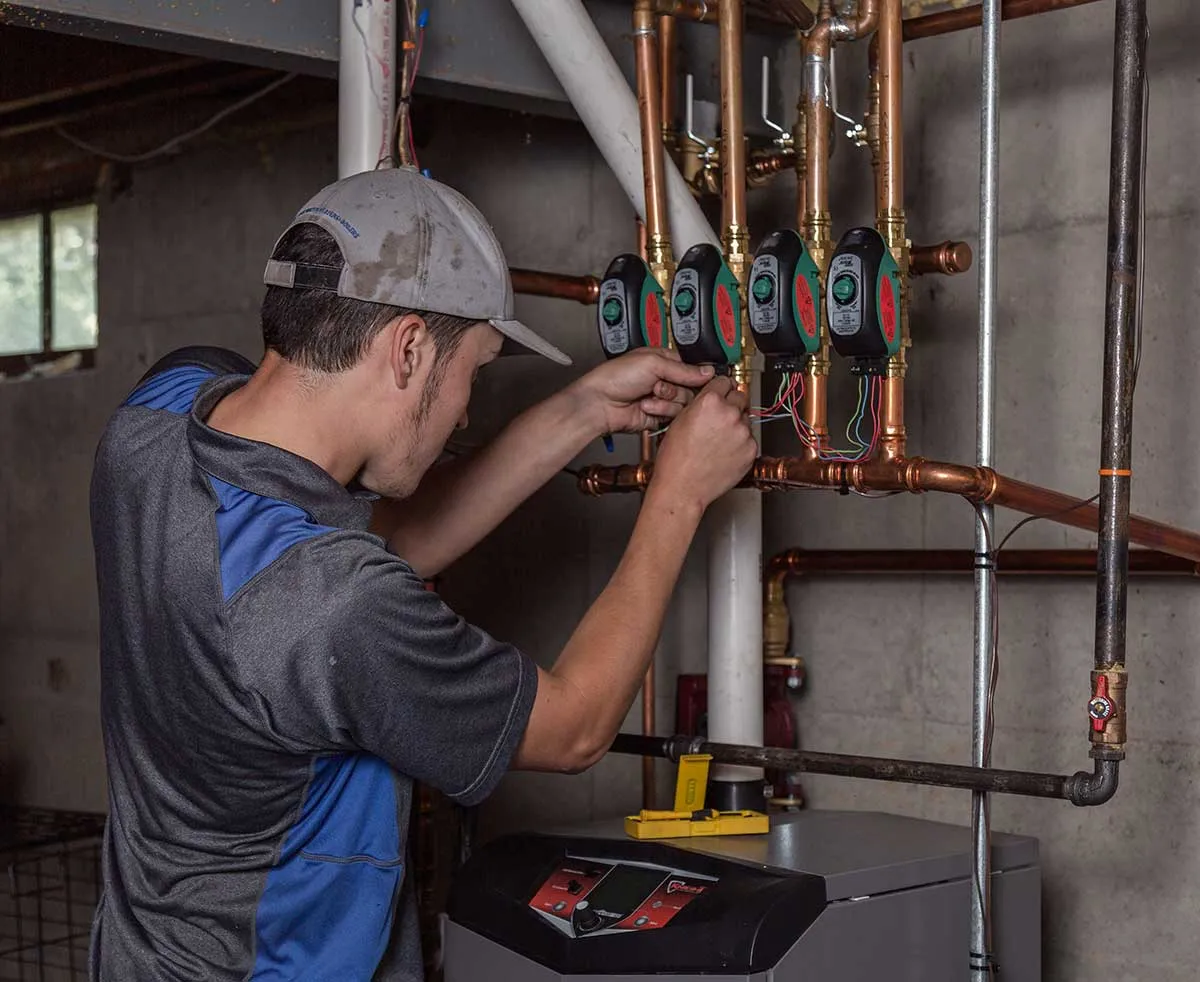
A boiler that won't ignite is often due to a pilot light that needs relighting, a faulty ignition electrode, a gas supply issue, a faulty gas valve, or a defective flame sensor. Only the pilot light is safe to attempt yourself.
A boiler that fails to ignite is one of the most common and frustrating heating faults. While the symptom is the same—no heat or hot water—the underlying cause can be one of several distinct mechanical or electrical issues. Understanding these differences helps you know what you can safely check and when you must call a Gas Safe registered engineer. This guide walks through the main reasons a boiler won't ignite, from the simplest fix to the most complex faults.
1. The Pilot Light is Out (Older Boilers)
If you have an older, non-condensing boiler — the kind that predates the shift to modern condensing models — it likely has a small, continuously burning gas flame called a pilot light. This flame is the ignition source for the main burner. It can be extinguished by a strong draft, a temporary drop in gas pressure, or simply running out of gas. When it goes out, the boiler has no way to light the main burner and will not fire up.
What to do: First, check the boiler's user manual or the instructions printed on the boiler's casing or inner panel. These provide the exact, safe procedure for relighting the pilot light, which usually involves holding a button or knob in a specific position while using a spark igniter. If you follow these manufacturer instructions precisely and the pilot lights and stays lit, your boiler should resume normal operation. Important: If the pilot light will not stay lit after a correct relight attempt, or if it repeatedly goes out, this is a sign of a fault (commonly a faulty thermocouple) and you must stop attempting to relight it and call a Gas Safe engineer.
2. Faulty Ignition Electrode
Modern condensing boilers use an electronic ignition system. A component called the ignition electrode creates a high-voltage spark to light the gas from the main burner. Over time, this electrode can become worn, coated in carbon deposits, or its positioning can shift slightly. If the spark is weak, intermittent, or absent, the gas will not ignite, and the boiler will lock out after a few failed attempts.
What to do: This is not a DIY fix. A Gas Safe engineer will need to inspect the ignition electrode. They will check for correct positioning (the gap between the electrode and the earth point is critical), clean off any carbon fouling, and test the spark. If the electrode is worn out, they will replace it. This work involves accessing the sealed combustion chamber of the boiler, which is strictly for qualified professionals.
3. Gas Supply Issue
An obvious but sometimes overlooked cause is a problem with the gas supply reaching the boiler. This could be because the manual gas isolation valve (usually a lever near the boiler) has been accidentally closed, your gas meter has been switched off, or there is an issue with a prepayment meter (e.g., credit has run out). In rare cases, there may be low gas pressure in the street supply or a fault with the gas line to your property.
What to do: Homeowners can safely check the gas isolation valve is in the open position (the lever should be in line with the pipe) and ensure a prepayment meter has credit. If you smell gas at any point, you must act immediately: extinguish all naked flames, do not operate electrical switches, and call the national gas emergency line. For any other suspected gas supply issue, you must contact a Gas Safe registered engineer or your gas supplier to investigate.
4. Faulty Gas Valve
The gas valve is an electrically operated component that precisely controls the flow of gas to the burner. If it develops a fault—such as a failed solenoid, a wiring issue, or a blockage—it may not open when commanded by the boiler's printed circuit board (PCB). The ignition sequence might run (you may hear the spark), but with no gas released, the boiler will fail to light.
What to do: Diagnosing and replacing a gas valve is complex, safety-critical work. An engineer will use a multimeter to test the electrical signals from the PCB to the valve and check the valve's operation. Replacing the valve requires purging the gas lines and testing for leaks. This is exclusively a job for a Gas Safe registered engineer.
5. Faulty Flame Sensor or Thermocouple
This fault presents a specific pattern: the boiler appears to ignite briefly (you may hear a 'whoosh' or see a flash through the viewing window) but then immediately shuts down. This happens because a flame sensor (in modern boilers) or a thermocouple (in older pilot light boilers) fails to detect the flame. As a safety measure, the boiler's control system shuts the gas valve to prevent unburned gas from escaping.
What to do: For a modern boiler's flame sensor, an engineer will check its positioning and clean it, or replace it if faulty. For an older boiler's thermocouple (the small copper probe in the pilot flame), this is a common reason a relit pilot light won't stay on. The thermocouple generates a tiny electrical current when heated by the pilot flame; if it fails, it tells the gas valve to close. Replacing a thermocouple or flame sensor is Gas Safe registered work.
What You Can Safely Check vs. What Needs an Engineer
Safety is paramount when dealing with gas appliances. As a homeowner, the only ignition-related task you should ever attempt is relighting a standing pilot light, and only by strictly following the instructions printed on the boiler itself. If it doesn't stay lit after one correct attempt, stop.
Every other cause listed here—ignition electrode, gas valve, flame sensor/thermocouple fault, or any gas supply issue beyond checking a lever is open—requires the skills and certification of a Gas Safe registered engineer. They have the tools and training to diagnose the fault safely, access sealed components, and carry out repairs that ensure your boiler operates safely and efficiently. If your boiler is failing to ignite, and it's not a simple pilot light out, the safest and most effective course of action is to call a professional.
Frequently asked questions
Can I relight the pilot light on my boiler myself?
Yes, but only if your boiler has a standing pilot light and you follow the exact instructions printed on the boiler's casing or inner panel. If the pilot will not stay lit after a correctly followed attempt, this indicates a fault and you must call a Gas Safe engineer.
My boiler sparks but won't ignite. What's wrong?
If you hear a spark but there's no ignition, it's often due to a gas supply issue (like a closed valve) or a faulty gas valve that isn't opening. If it ignites briefly then goes out, it's typically a faulty flame sensor or thermocouple. Both require a Gas Safe engineer.
Is a boiler ignition fault dangerous?
While the fault itself may not be an immediate danger, repeated failed ignition attempts can lead to a buildup of gas. More importantly, faults with gas valves, supply lines, or flame detection are safety-critical and must only be diagnosed and repaired by a Gas Safe registered engineer to prevent risks.