Why Does My Thermostat Not Match the Actual Room Temperature?
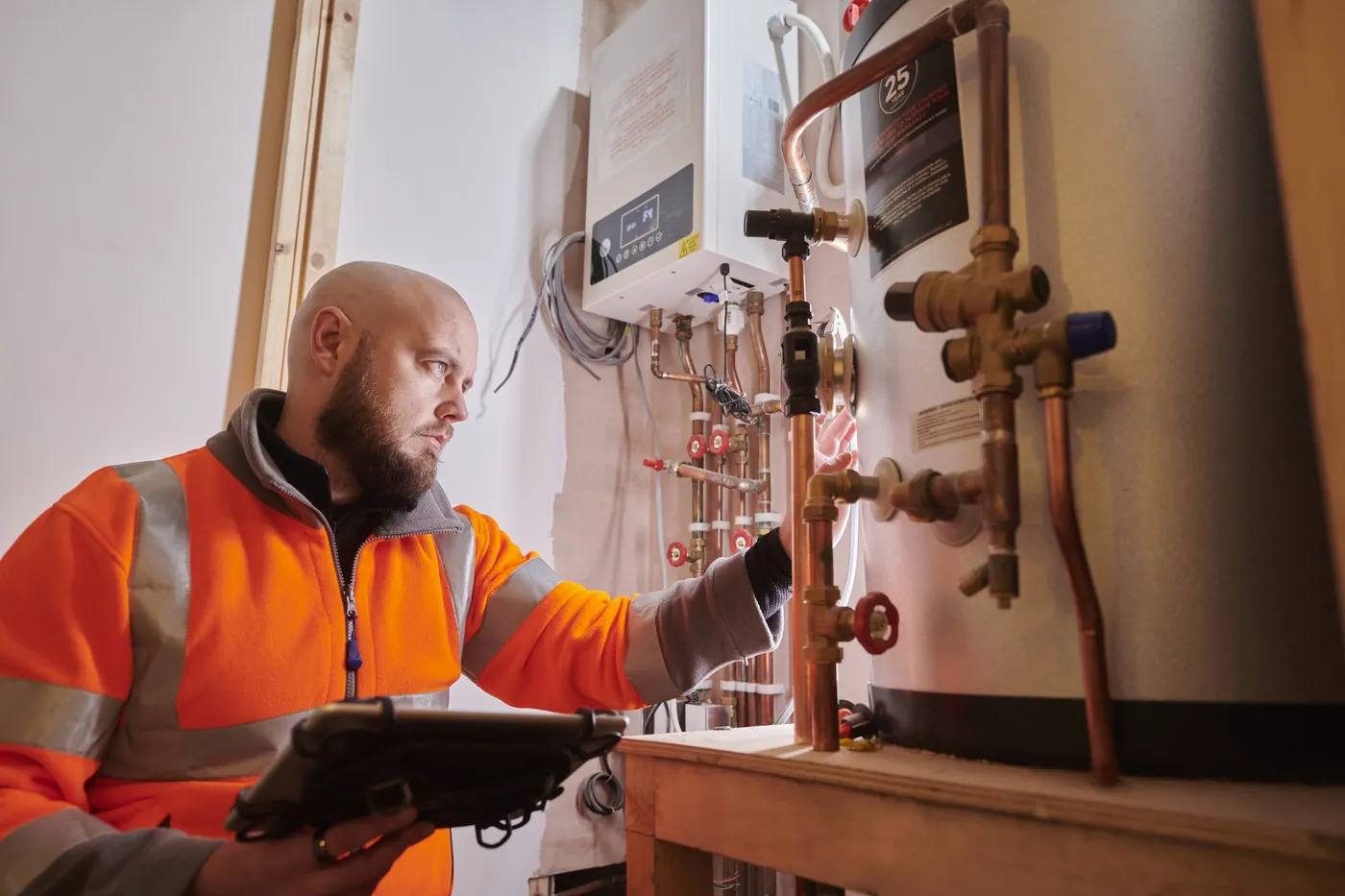
A thermostat showing the wrong temperature is often due to poor placement near heat sources or draughts, a faulty internal sensor, or calibration drift. You can test if the boiler works by using its manual override.
Why Your Thermostat Lies About the Temperature
When your thermostat’s reading doesn’t match the actual room temperature, it’s not just an annoyance—it means your heating control system is unreliable. This mismatch can lead to wasted energy, uncomfortable rooms, and unnecessary strain on your boiler. The core issue is that the thermostat is giving the wrong information to your heating system, either because it’s sensing the wrong temperature or it’s in the wrong place to sense it accurately.
Common Culprits: Placement and Environment
The most frequent cause of incorrect readings is poor thermostat placement. For it to control your home’s heating effectively, it needs to sense a representative average temperature. Common placement errors include:
- Near Heat Sources: Placed above a radiator, near a fireplace, in direct sunlight, or close to appliances like a TV or lamp. This causes it to sense localised warmth and shut the heating off too early.
- In Draughty Spots: Located near an external door, a window, or in a cold hallway. Here, it senses cooler drafts and keeps the heating running longer than needed, overheating the rest of the house.
- In a ‘Dead’ Zone: Tucked in a cupboard, behind furniture, or in a room you rarely use. This isolates it from the living areas it’s meant to control.
The fix is often simple: relocate the thermostat to an interior wall in a frequently used room, away from direct heat, sunlight, and drafts.
Internal Faults: Sensors and Calibration
If placement isn’t the issue, the problem may lie within the thermostat itself. Over time, the internal temperature sensor can drift out of calibration or fail entirely. On older dial-type thermostats, you can sometimes recalibrate them using a small screw or adjuster, comparing its reading to a separate, reliable thermometer. With modern digital or smart thermostats, calibration is usually handled via software menus. A complete sensor failure will require replacement of the unit. For hardwired thermostats, this is a job for a qualified heating engineer to ensure safe electrical connections.
Smart Thermostat Connectivity and Wiring Issues
Smart thermostats add layers of complexity. A discrepancy might not be a sensor fault but a communication problem.
- Wireless Connection Drops: If the thermostat loses its connection to the internet hub or the receiver unit wired to the boiler, it may not be sending ‘on’ commands, making the room feel cold despite a correct display.
- Incorrect Wiring: If recently installed, even a single misplaced wire at the wiring centre or boiler connection can prevent the thermostat from turning the heating on or off correctly.
- Software Glitches: A simple reboot of the device and its hub can sometimes resolve unexplained issues.
How to Tell a Thermostat Problem from a Boiler Fault
Before assuming the thermostat is broken, it’s crucial to rule out a boiler fault. A simple test is to bypass the thermostat entirely. Most boilers have a manual override, often labelled as a ‘+’ button or a flame symbol. Pressing this should force the boiler to fire up for hot water or heating. If the boiler responds and starts heating the radiators, the problem is almost certainly with the thermostat or its controls. If the boiler does not respond or shows a fault code, the issue lies with the boiler itself and requires a Gas Safe registered engineer to diagnose.
Persistent issues with temperature control, especially if accompanied by other symptoms like cold spots in radiators, may point to system problems like poor circulation or sludge build-up, which a heating engineer can assess with a power flush or system balance.
Frequently asked questions
Can I fix a thermostat that's reading the wrong temperature myself?
You can check and correct its placement, clean dust from vents, and for some models, perform a recalibration using a separate thermometer. However, if it involves wiring, replacing a hardwired unit, or diagnosing a smart system, you should contact a qualified heating engineer.
My smart thermostat says it's 22°C but the room feels much colder. What's wrong?
First, check the thermostat's placement for drafts or heat sources. Then, verify its wireless connection to the hub and boiler receiver is stable. If those are fine, the internal sensor may be faulty, or there could be a system issue like poor radiator circulation preventing even heat distribution.
When should I call an engineer for a thermostat problem?
Call a Gas Safe registered engineer if you suspect a wiring fault, need to relocate a hardwired thermostat, or if your troubleshooting suggests a deeper heating system fault. If you ever smell gas or suspect a carbon monoxide leak, turn off the boiler, ventilate the area, and call the gas emergency line immediately.