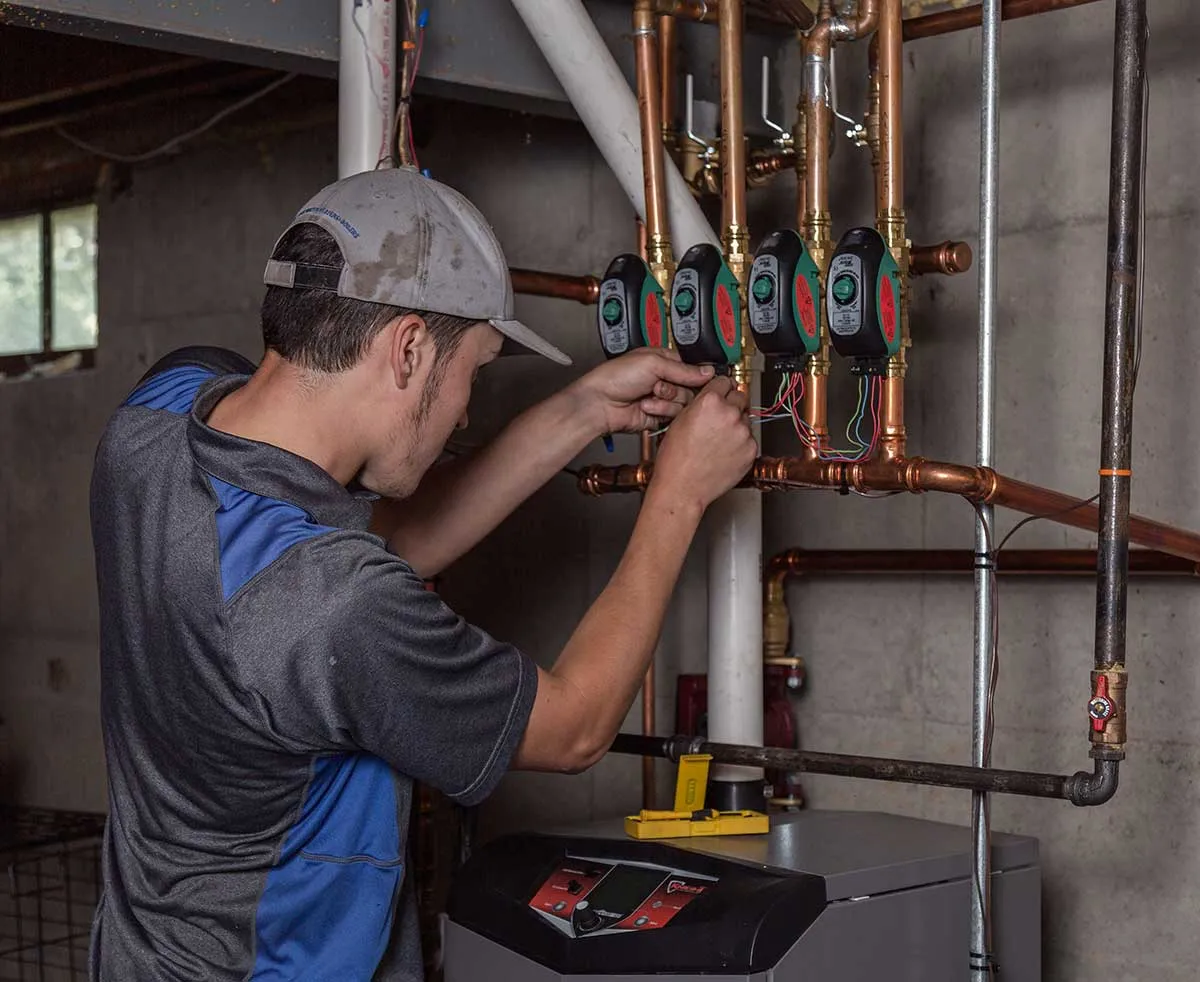
A Glow-worm boiler that keeps locking out is usually failing a critical safety or operation check, most commonly due to ignition issues, poor water circulation, or incorrect system pressure. A Gas Safe registered engineer diagnoses the specific cause.
What 'Lockout' Actually Means in Your Boiler
When your Glow-worm boiler goes into a 'lockout' state, it has failed a critical safety or operation check and shut itself down as a protective measure. You'll typically see a fault light or code on the display, and the boiler will stop working until you manually reset it (often by pressing a button or turning the boiler off and on). The key symptom is recurrence—if it locks out, you reset it, and it runs for a few hours or days before locking out again, there is an underlying fault that the reset is temporarily bypassing, not solving.
Common Causes of Recurring Lockout on Glow-worm Boilers
While the exact fault code helps pinpoint the issue, a recurring lockout generally points to one of these core problems, listed in rough order of likelihood for an older system.
- Ignition or Flame Detection Failure: The most frequent cause. The boiler tries to ignite but fails, or it ignites but the flame is not detected correctly by the sensor. This can be due to faulty electrodes, a worn ignition lead, a dirty or failing flame sensor, or a problem with the gas valve.
- Circulation Problems: The boiler overheats because hot water isn't being moved away from the heat exchanger fast enough. This triggers an overheat thermostat, causing a lockout. Causes include a failing pump, a blocked or stuck diverter valve (which switches heat between heating and hot water), sludge in the system blocking water flow, or airlocks.
- Pressure Issues: If your system pressure is too low, a safety device will prevent the boiler from firing. A recurring low-pressure lockout suggests a persistent leak somewhere in the heating system or a failing pressure relief valve. Conversely, pressure that creeps too high can also cause a safety lockout.
- Faulty Components: Components like the printed circuit board (PCB), which is the boiler's brain, or specific sensors (like the NTC thermistor that measures temperature) can fail intermittently, sending incorrect signals that lead to a lockout.
- Condensate Drain Blockage: For Glow-worm condensing boilers, a blocked condensate pipe is a very common cause of lockout. The acidic wastewater cannot drain, a sensor detects this, and the boiler shuts down. This often happens during cold weather when the condensate freezes in the external pipe run.
How an Engineer Diagnoses the Specific Cause
A Gas Safe registered engineer doesn't just reset the boiler. They follow a logical diagnostic process to find the root cause. First, they will note the specific fault code from the display, which points to a general area (e.g., ignition, overheat). They will then test components in that area.
For a suspected ignition fault, they'll visually inspect the electrodes for wear and positioning, check for a spark, and test the flame sensor's signal. For circulation issues, they'll feel the pump to see if it's running and getting hot, check pipe temperatures around the diverter valve, and assess the system for sludge by checking radiator heat patterns or the filter. They'll check the system pressure and look for signs of leaks or discharge from the pressure relief valve. For a condensate fault, they'll trace the plastic pipe and check for blockages or ice.
Why a Reset Isn't a Fix and What to Do Next
Resetting the boiler is a temporary override. It clears the fault memory and allows the boiler to attempt its start-up sequence again. If the underlying fault is intermittent (like a nearly-blocked pipe or a failing sensor), it might work for a while. However, the fault will inevitably recur, and repeated lockouts and resets put extra strain on components. More importantly, ignoring lockouts related to gas combustion (like ignition failure or a yellow/orange flame instead of a crisp blue one) can be dangerous.
If your Glow-worm boiler is repeatedly locking out, the only safe and effective course of action is to call a Gas Safe registered engineer. They have the tools and knowledge to safely diagnose the fault, advise on the necessary repair, and ensure your boiler is operating safely and efficiently once more.
Frequently asked questions
Is it safe to keep resetting my boiler if it locks out?
While a single reset might get it going, repeatedly resetting a boiler that keeps locking out is not advised. You are bypassing a safety shutdown, and if the fault is related to gas combustion or dangerous overheating, this could be hazardous. It also stresses other components. Arrange for a diagnostic visit.
Could low boiler pressure cause a lockout?
Yes, absolutely. Most modern Glow-worm boilers have a low-pressure safety switch. If the system pressure falls below a certain threshold (often around 0.7 bar), the boiler will lock out to prevent damage. A recurring low-pressure lockout indicates a leak in the system that needs to be found and fixed.
My boiler locks out more in cold weather. Why?
This strongly points to a frozen or blocked external condensate pipe. The condensate, which is acidic water produced by the boiler, cannot drain away. The boiler detects this and locks out as a safety measure. This is a very common winter issue for condensing boilers like most Glow-worm models.