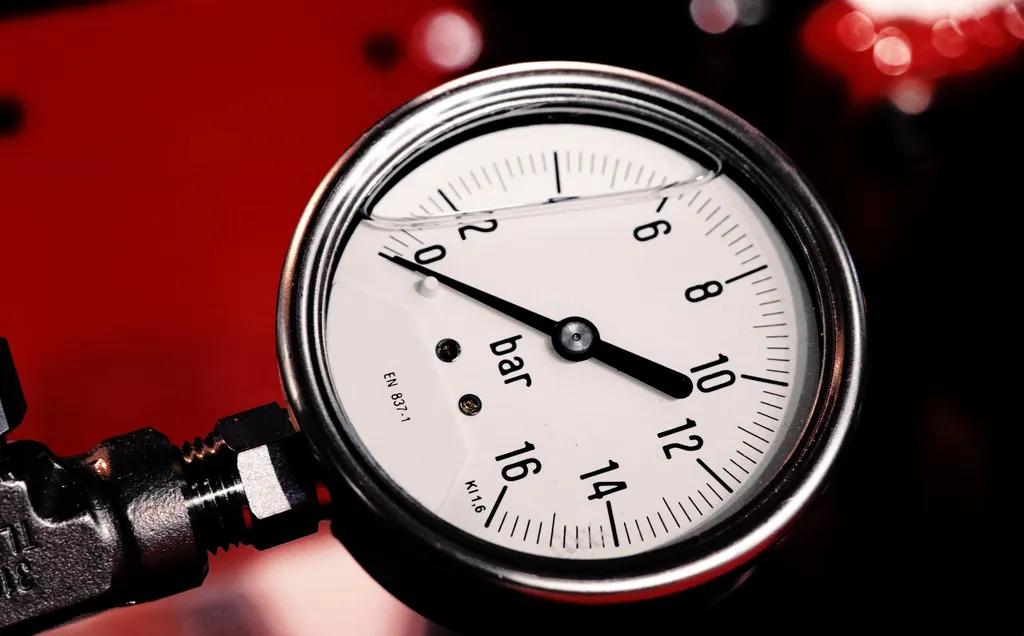
A Vaillant boiler repeatedly losing pressure is most commonly caused by a leak in the heating system or a fault with an internal component like the expansion vessel or pressure relief valve.
Understanding Your Boiler's Sealed System
Modern Vaillant combi and system boilers operate on a sealed pressurised heating circuit. The water inside is kept at a stable pressure, typically between 1 and 1.5 bar when cold. This pressure is essential for the pump to circulate hot water to your radiators. If the pressure drops too low, the boiler's safety system will lock out to prevent damage, displaying a low-pressure fault. The need for regular top-ups via the filling loop means water is escaping from the sealed system somewhere.
The Most Common Cause: A Hidden Leak
The first thing any engineer will consider is a leak. Water doesn't just vanish; it's leaving the system. A slow, hidden leak can be difficult to spot. Common places include radiator valves (especially the small 'spindle' seal), under floorboards where pipes run, or from the boiler's internal components. A tell-tale sign is a small, white, crusty deposit (limescale) around a valve or joint. Engineers will often perform a static pressure test, isolating the boiler from the heating system to determine if the leak is in the pipework/radiators or within the boiler itself.
Internal Boiler Components That Fail
If the leak is traced to the boiler, specific components are the usual suspects. On a Vaillant, as with most brands, these are the most likely culprits:
- The Expansion Vessel: This is a metal tank divided by a rubber diaphragm. One side contains air (the 'air charge'), the other accepts expanding heating water. If the diaphragm splits or the air charge is lost, the vessel cannot absorb the expansion, causing the system pressure to spike and then drop as water is expelled via the pressure relief valve.
- The Pressure Relief Valve (PRV): This is a safety device that opens to discharge water if the pressure gets too high. If it becomes faulty or has debris on its seat, it can weep or discharge water continuously, often via a small copper pipe (the 'tundish') that goes outside. You might see dripping from this external pipe.
- The Heat Exchanger: A crack or pinhole in the main heat exchanger is a less common but serious fault. It can cause pressure loss and may sometimes mix heating water with your domestic hot water.
How an Engineer Diagnoses the Fault
A Gas Safe registered engineer will follow a logical process. After checking for obvious leaks, they will test the expansion vessel's air charge using a car-type tyre gauge on its Schrader valve. If no pressure is present or water comes out, the vessel has failed. They will check if the pressure relief valve is passing by inspecting the discharge pipe. They may also isolate the boiler and pressurise the heating circuit separately to pinpoint the leak's location. Diagnosing a heat exchanger fault often involves checking for cross-contamination between the heating and hot water circuits.
What You Should Do Next
Continually topping up the pressure is not a solution. It introduces fresh, oxygen-rich water which accelerates corrosion inside your radiators and pipework, leading to sludge and more problems down the line. If you smell gas or suspect a carbon monoxide leak, you must act immediately by calling the gas emergency line and getting fresh air. For a persistent pressure loss, the only safe and effective course is to book a diagnostic visit from a fully Gas Safe registered engineer. They can identify the exact cause and recommend the necessary repair, which could range from repressurising an expansion vessel to replacing a valve or component.
Frequently asked questions
Is it dangerous if my Vaillant boiler keeps losing pressure?
While the pressure loss itself isn't typically an immediate gas safety hazard, the boiler will eventually lock out and leave you without heating. The danger lies in ignoring it and repeatedly topping up, which can corrode your system, or in the rare case that the pressure relief valve is discharging scalding water. Any work to fix the leak must be done by a Gas Safe engineer.
Can I fix a pressure leak myself?
We strongly advise against it. Diagnosing and repairing leaks on a pressurised gas appliance requires specialist tools and knowledge. Using the filling loop incorrectly can over-pressurise the system, and attempting to repair internal components like the pressure relief valve or expansion vessel is Gas Safe work. Always use a qualified engineer.
How much does it cost to fix a Vaillant boiler losing pressure?
The cost depends entirely on the diagnosis. A simple re-charge of the expansion vessel air gap is a smaller job, while replacing the vessel, pressure relief valve, or heat exchanger involves more parts and labour. Our site does not provide specific price figures, as an accurate quote can only be given after a thorough on-site inspection by one of our engineers.