Why Does My Boiler Lose Pressure More Often in Winter?
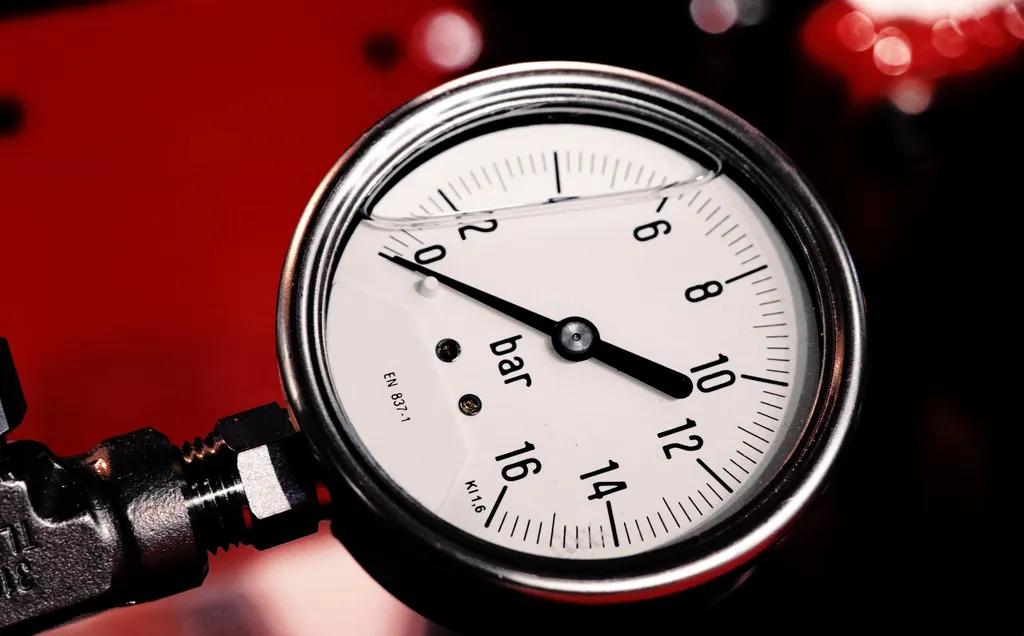
Boiler pressure loss is more common in winter because cold weather can reveal small existing leaks, cause condensate pipe blockages that mimic pressure faults, and put more strain on system components due to constant use.
Why Winter Makes Existing Boiler Issues More Obvious
If you find yourself topping up your boiler pressure more often during the colder months, you're not imagining it. This is a very common seasonal pattern. The key point to understand is that winter doesn't typically create a brand new type of fault. Instead, it acts as a stress test, revealing and amplifying small, existing issues that were previously unnoticed during milder weather. The combination of colder temperatures and your heating system working much harder brings these marginal faults to the forefront.
Cold Weather Can Reveal Small, Hidden Leaks
Metal pipework and the joints within your heating system contract slightly in cold temperatures. A tiny weeping joint or a minor pinhole leak in a radiator that was just about sealed in warmer weather can open up just enough to start dripping when the metal contracts. This slow, steady loss of water from the sealed system leads to a gradual pressure drop. Since your heating is running more often in winter, you're checking the pressure gauge regularly and notice the drop sooner. The leak was likely always there, but the cold has made it active and the increased system monitoring makes it visible.
Frozen Condensate Pipes Cause Lockouts, Not Pressure Loss
This is a crucial winter-specific fault that is often mistaken for a pressure problem. Most modern condensing boilers have a plastic pipe that runs outside to drain away acidic condensate water. In freezing weather, this pipe can freeze solid, blocking the drain. The boiler detects it cannot dispose of this water and will shut down with a fault code – it goes into a safety lockout. While this is not actually a loss of pressure from the central heating circuit, the result for you is the same: a cold boiler that won't work. Homeowners often associate this sudden failure with a pressure issue. If you suspect a frozen condensate pipe, it's a common DIY fix with warm water, but if the lockout persists, a Gas Safe engineer will need to reset the boiler and check for any related faults.
Increased Strain on System Components
During winter, your boiler and heating system work almost continuously, undergoing countless heating and cooling cycles. This increased activity puts extra strain on two key components that manage system pressure. First, the expansion vessel, which absorbs expanded water as it heats up, can fail. If its internal air bladder has lost its charge, the system pressure will spike too high during heating cycles, causing the pressure relief valve (PRV) to open and discharge water outside to protect the boiler. Once the system cools, the pressure then reads too low. Second, a worn PRV itself can start to weep or pass water at lower pressures under constant use, again leading to pressure loss. These borderline components may cope in summer with minimal use but fail under winter's heavy demand.
What Should You Do About Winter Pressure Loss?
Start with a careful visual check. Look for any signs of water around pipe joints, radiator valves, or underneath the boiler itself, especially on colder days. Check the external condensate pipe for ice. If you can safely see the pressure relief valve's discharge pipe (usually a small copper pipe exiting an outside wall), check for any signs of dripping. If you smell gas at any point, treat it as an emergency and call the gas emergency line immediately. For persistent, unexplained pressure loss, the safest and most effective course is to call a fully Gas Safe registered engineer. They can perform a static pressure test to confirm if there's a leak, check the expansion vessel pre-charge, test the PRV, and diagnose any fault codes correctly, ensuring your system is safe and reliable for the rest of the winter.
Frequently asked questions
Is it normal to top up boiler pressure in winter?
Topping up once or twice a season might be normal, but if you are adding pressure every week or even every few days, it indicates an underlying problem. Frequent repressurising is a sign of a leak or a failing component like the expansion vessel or pressure relief valve that should be investigated by an engineer.
Can cold weather itself cause a boiler leak?
Not directly. The cold weather causes metal and joints in your pipework and radiators to contract. This contraction can open up a very small, pre-existing weakness or seepage that was not actively leaking in warmer weather. So, the cold reveals the leak rather than creating it from nothing.
My boiler shows a fault code and has low pressure in winter. What's the link?
The most common winter link is a frozen condensate pipe. This causes a boiler lockout (showing a fault code) which stops the boiler from working. This is often misinterpreted as a pressure problem. Check the external plastic pipe for ice first. Other fault codes related to pressure, like those for low water pressure, will also become apparent as the system is used heavily.